

 See My Latest Article on HelloNation
What Makes Tree Stump Removal a Common Need in Windham, ME?
Tree stumps are a frequent sight in many neighborhoods of Windham, ME, especially following storm damage, landscaping changes, or pest issues. Homeowners often seek safe removal to prevent tripping hazards, lawn maintenance issues, and unwanted regrowth or pest attraction. Given the region’s four-season climate, factors like snow, heavy rains, and soil conditions can influence both the urgency and method of removal.
Is Stump Removal Always Necessary?
Not every stump must be rapidly removed. Sometimes stumps can naturally decompose, providing habitat for pollinators or small wildlife, especially on larger, less-manicured properties. However, most residents in Windham find that removing a leftover stump is better for mowing, gardening space, and curb appeal. Stumps can also host fungus or insects, which may affect surrounding healthy trees or lawn.
What Are the Main Approaches to Stump Removal?
Several reliable, practical options exist:
- Manual digging – best for small to medium stumps with accessible roots
- Chemical decomposition – suitable for those not in a hurry, aiming for gradual breakdown
- Burning – only allowed under strict local regulation, less common due to fire risks and neighborhood smoke concerns
- Mechanical grinding – the fastest physical removal method, generally used for larger stumps
Each option has its own safety, timing, and site preparation considerations, as well as pros and cons based on the size of the stump and proximity to structures or utilities.
How Does Manual Removal Work, and When Is It Suitable?
Manual removal involves digging around the stump with shovels, cutting roots with a saw or ax, and prying the stump out. This is most practical for smaller stumps or those with large, accessible root systems that haven’t been in the ground for many years.
Direct answer: Manual digging is effective for small, shallow-rooted stumps but can be labor-intensive and requires proper tools.
- Always call 811 (“Dig Safe”) to ensure no underground utilities are in the area.
- Use a spade, mattock, or digging bar to loosen soil and expose major roots.
- Cut roots with a saw or ax, taking breaks to avoid fatigue.
- Lever out the stump using a pry bar or chains, enlisting help to avoid injury.
Pitfall: Many underestimate how much root mass extends laterally on older trees. Heavy clay or rocky soils in the area will increase the effort required.
Can a Tree Stump Be Removed Using Chemicals in Windham?
Completion with chemicals is a slower process, relying on decomposition rather than physical force. Residents often choose this after removing the tree themselves, when immediate removal isn’t critical.
Direct answer: Yes, but this is slow, typically taking months to over a year.
- Drill holes deep into the top and sides of the stump.
- Pour in a product containing potassium nitrate or use nitrogen-rich fertilizer to accelerate rot.
- Keep the area moist and either cover with mulch or tarp to encourage decomposition.
- Eventually, the softened wood can be broken up and removed with basic tools.
Consideration: Avoid pouring chemicals near wells, septic systems, or vegetable gardens, as runoff could impact groundwater or edible crops.
Common misconception: Stumps do not “disappear” overnight—expect to wait through at least one winter-spring cycle.
Is Burning a Safe Option for Tree Stumps in This Area?
Open burning is regulated and often discouraged due to fire risk, weather variability, and local ordinances in residential parts of Windham. While the method can work for stumps away from structures and during wet periods, strict fire permits are usually required.
Direct answer: Burning is generally not recommended for residential yards and may not be permitted most of the year.
If permitted and considered:
- Obtain any necessary municipal permits first.
- Clear all flammable material within a 10-foot radius.
- Use a metal barrel (“burn drum”) over the stump to focus heat.
- Never leave a fire unattended; keep water or an extinguisher close by.

Better alternative: In most neighborhoods, physical or chemical removal is preferred due to reduced risk and fewer legal steps.
How Does Mechanical Stump Grinding Work?
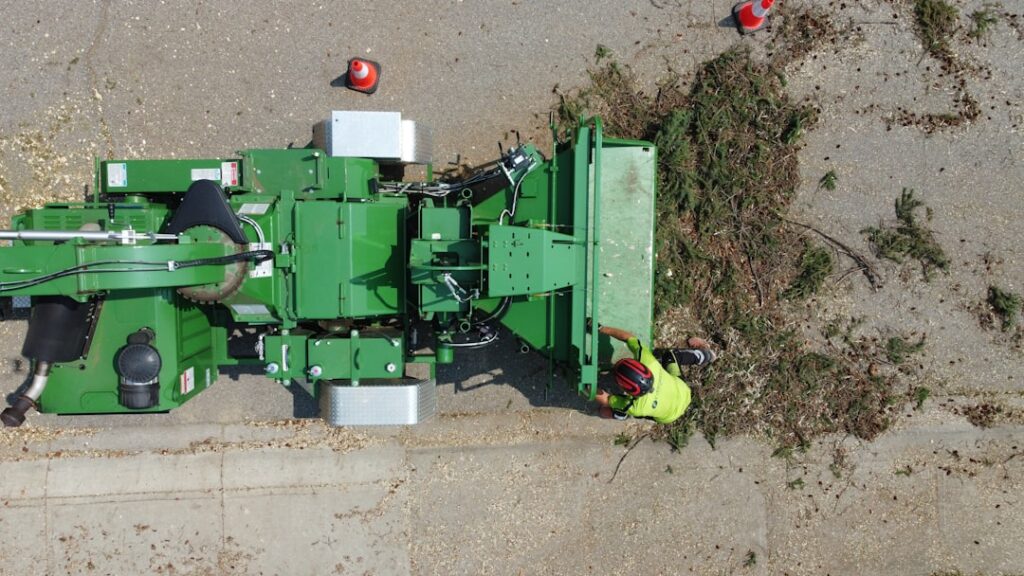
Stump grinding is the most efficient method for most medium-to-large stumps, especially in established yards.
Direct answer: A specialized machine with a rotating blade shreds the stump into wood chips several inches below ground level.
- Rent a grinder or hire a certified operator for safety.
- Remove rocks and debris before grinding to protect equipment and avoid dangerous kickback.
- Grind down both the stump and major visible surface roots.
- Backfill the hole with chips and soil, or re-seed with grass if needed.
Important for safety: Protective gear is essential—eye, ear, and hand protection. Machines can throw debris, and operators should never wear loose clothing.
What Local Factors Should Residents Consider Before Deciding How to Remove a Stump?
Soil type, utility lines, local wildlife, and yard use patterns all influence the best approach in Windham. Wet or poorly drained soils may slow decomposition, while icy ground in winter can delay manual work. If children play nearby, prioritize low-hazard options like manual or mechanical removal over open burning or heavy chemicals.
Local ordinances require safe disposal of wood waste; in some neighborhoods, chips can be left on-site as mulch but large debris may need to be hauled to a city collection site.
What Are Some Overlooked Safety Practices During Stump Removal?
Many people underestimate the physical effort and risks: muscle strains, tool mishandling, and utility contact. In Windham, unexpected rock deposits or buried cables are common, especially on older properties. Always:
- Wear sturdy gloves and boots
- Mark the area to caution pets, children, and passersby
- Check for bee or yellowjacket nests inside hollow stumps
Avoid using tractors or vehicles to pull stumps unless the stump is very small; this can damage equipment and jeopardize underground utilities.
Are There Long-Term Effects of Not Removing a Tree Stump?
Stumps can resprout, especially species like maple or poplar common in Windham yards, leading to unwanted suckers in lawns. Fungal decay, while natural, may invite carpenter ants or termites closer to the home, so prompt removal is often the better choice for suburban settings.
Disregarding a stump in a visible location also complicates future planting, fence building, or lawn reseeding, posing extra work for the next project season.