

 See My Latest Article on HelloNation
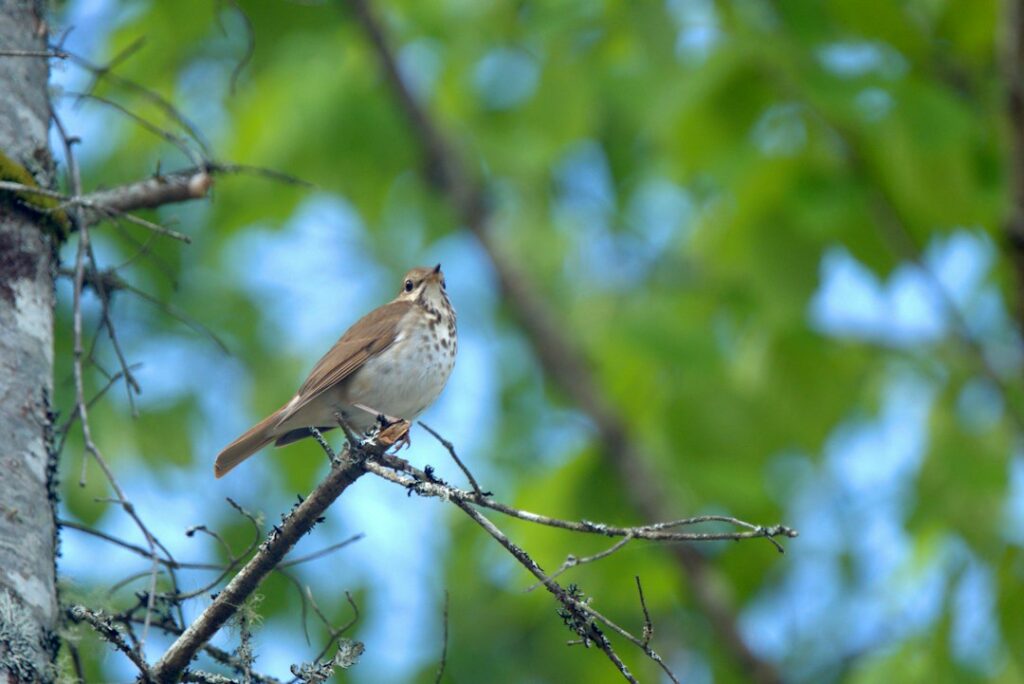
Native trees can provide food, nesting sites, shelter, shade, and travel routes for birds, insects, and small mammals. In Windham, ME, choosing trees suited to cold winters, variable soils, and residential landscapes can make a yard more useful to wildlife without turning it into an unmanageable thicket.
Which native trees are most valuable for wildlife?
The most useful choices depend on the habitat goals of the property, but a diverse mix of native trees generally supports more species than a single tree planted repeatedly.
Good options for many local yards include:
- White oak and red oak: Produce acorns eaten by squirrels, wild turkeys, deer, and other wildlife. Oaks also support many native caterpillars, which are essential food for nesting birds.
- American beech: Beech nuts provide food for mammals and birds. Mature trees may develop cavities and loose bark that offer shelter for insects and other organisms.
- Paper birch and yellow birch: Their bark, seeds, and structure support birds and insects. Birch trees are especially useful in cooler, partly shaded areas.
- Red maple: Adaptable to many residential conditions, red maple offers early-season flowers and seeds while providing canopy cover and nesting structure.
- American basswood: Fragrant flowers attract bees and other pollinators. Its broad canopy also provides shade and shelter.
- Serviceberry: Often grown as a small tree, serviceberry produces early flowers followed by berries that birds readily eat. It works well where a large shade tree would be too much.
- American hornbeam: This smaller understory tree tolerates partial shade and moist soils. Its dense branching provides cover, while its seeds and foliage contribute to the food web.
- Black gum: Where site conditions are suitable, black gum offers late-season fruit and strong red fall color. It prefers well-drained soil and can be a useful choice for a naturalized edge.
A tree does not need to produce edible fruit for people to have wildlife value. Leaves, bark, flowers, seeds, fallen wood, and the insects associated with the tree all contribute to habitat.
Why do native trees help more than many ornamental trees?
Native trees evolved alongside the insects, birds, and mammals found in the region. Many native caterpillars and other insects can feed only on particular groups of plants or are much more successful on them than on non-native ornamentals.
This matters because birds often feed insects to their young. A tree covered with caterpillars may appear damaged, but that feeding activity is part of a healthy food chain. Removing every insect or choosing plants that support few insects can reduce the food available to nestlings.
Non-native trees are not automatically harmful, and some can grow successfully in local yards. The concern is usually a lack of variety and habitat value, especially when a landscape relies heavily on plants that provide little food for native insects. Invasive plants can be more damaging because they spread into woodland edges and displace native vegetation.
How should trees be selected for a Windham yard?
Match the tree to the site before choosing by appearance. The right tree in the right location is more likely to remain healthy and provide habitat for decades.
Consider:
- Mature size: Look at the tree’s expected height and canopy spread, not its size at the nursery. Keep large trees away from buildings, overhead utility lines, septic components, and areas where roots may interfere with paving.
- Sun exposure: Oaks, red maple, basswood, and black gum generally need more sunlight. American hornbeam and some birches are better suited to partial shade.
- Soil moisture: Low areas may remain wet in spring, while exposed sandy or compacted locations may dry quickly in summer. A tree that tolerates the actual soil conditions will need less correction later.
- Winter exposure: Wind, road salt, snow storage, and repeated freeze-thaw cycles can stress young trees. A protected planting site may be more successful than an exposed one.
- Available space: Small trees such as serviceberry and American hornbeam are often more practical near homes than large oaks or basswoods.
A simple soil test can reveal whether drainage, acidity, or compaction may limit tree growth. It is also wise to observe where water collects after heavy rain and where snow tends to remain in late winter.
Is one native tree enough to attract wildlife?
One tree can help, but habitat improves when trees are connected with shrubs, groundcover, and existing woodland. Wildlife often benefits from layers of vegetation rather than isolated specimens surrounded by lawn.
For example, a yard might include:
- A large oak or maple for canopy and long-term structure
- A serviceberry or hornbeam beneath or near the canopy edge
- Native shrubs that provide dense cover and fruit
- Leaf litter beneath the trees
- A small brush pile or section of fallen branches kept away from buildings

Grouped plantings can create a more sheltered environment for birds and small mammals. They also reduce the exposed edge between lawn and woodland. Even a narrow planting along a property boundary can function as a travel corridor.
Should fallen leaves, dead branches, and tree cavities be removed?
Not always. Fallen leaves shelter insects and return nutrients to the soil. Small dead branches support decomposers, and standing dead trees—often called snags—provide nesting and feeding sites for woodpeckers, chickadees, nuthatches, bats, and other wildlife.
Safety comes first. A dead or damaged tree near a home, driveway, walkway, play area, or utility line may present a genuine hazard. In those locations, hazardous material should not be left in place simply for habitat value. Where conditions are safe, a portion of fallen wood can remain in a less-used area of the property.
Pruning should also be selective. Removing every low branch and clearing natural debris may create a tidy appearance but eliminate shelter and nesting opportunities.
What maintenance practices support wildlife?
Wildlife-friendly tree care is usually less intensive than highly manicured landscaping.
Helpful practices include:
- Watering newly planted trees deeply during dry periods, especially during the first two growing seasons
- Applying a thin layer of mulch over the root zone while keeping mulch away from the trunk
- Avoiding lawn equipment, soil disturbance, and vehicle traffic near the trunk and major roots
- Limiting broad insecticide use, particularly during flowering and nesting seasons
- Allowing some fallen leaves to remain beneath trees
- Planting several compatible native species rather than relying on one type
- Removing invasive plants before they spread into woodland edges
Trees should not be topped or severely cut back to make them smaller. Such cuts can create weakly attached shoots, decay, and long-term structural problems. Young trees usually benefit more from careful structural pruning than from repeated drastic trimming.
How long does it take for a native tree to benefit wildlife?
Small trees and shrubs can provide flowers, berries, and cover within a few years, but large habitat features develop gradually. Mature oaks, maples, birches, and beech may take decades to reach their greatest wildlife value.
The most effective approach is to combine immediate resources with long-term trees. Serviceberry and native shrubs can offer earlier fruit and shelter while larger canopy trees grow. Protecting existing mature trees is equally valuable because established trees already provide cavities, bark habitat, nesting structure, and a stable microclimate.
A yard does not need to look wild to support wildlife. A carefully placed native tree, a strip of leaf litter, and a few connected plants can provide meaningful habitat while remaining compatible with homes, paths, and everyday household use.