

 See My Latest Article on HelloNation
How Can You Tell if a Tree Needs to Be Removed?
Trees are a valued part of most Windham landscapes, but not every tree can or should be saved. Knowing the signs that removal is necessary helps protect homes, people, and natural resources. Issues such as storm damage, disease, and unsafe conditions are most common after harsh winters, summer storms, or when trees age. Residents who notice major changes in a beloved tree should pay attention—sometimes quick action is the safest option.
Are Dead Trees Always a Hazard?
A dead tree is rarely safe to keep standing. In Windham, a tree that is completely dead—marked by brittle branches, peeling bark, and zero leaf growth through spring or summer—can quickly become unstable or attract pests. Wind, snow, and ice can cause a dead tree to break apart, potentially damaging property or causing power outages. Even a tree with some live branches may pose risks if a majority of its crown is bare for a whole growing season.
What Should You Look for in the Trunk?
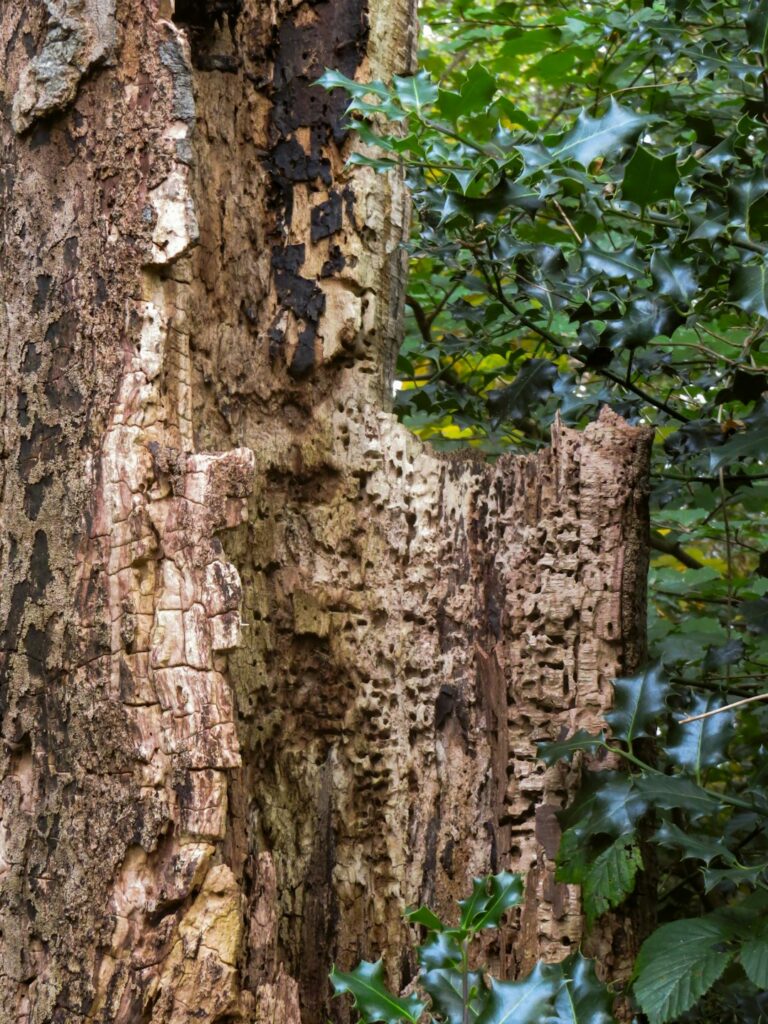
The trunk holds vital clues about a tree’s health and safety. Any tree with deep splits, large cavities, or significant decay along its main stem may be compromised. Fungi or mushrooms growing around the base often point to hidden root or trunk decay. In Windham, maples, birches, and oaks are particularly vulnerable to this after wet springs or cycles of freezing and thawing. If the trunk sounds hollow or the bark peels away in large strips, structural integrity is usually lost.
How Do Leaning Trees Affect Safety?
Not every leaning tree is dangerous, but sudden or severe lean is a concern—especially if roots have lifted on one side. This often follows heavy rains, spring thaws, or high wind events typical in Windham. A tree that leans more each season, or that suddenly tilts after a storm, may be uprooting. Nearby sidewalks, driveways, or utility lines can be threatened if a leaning tree falls.
What Root Problems Indicate Removal Is Necessary?
Visible root damage is a strong sign a tree is compromised. Large, exposed roots that are cut, decayed, or severed (for example, by construction or driveway work) disrupt the tree’s anchor and water supply. In the city’s neighborhoods with compacted soils or high water tables, roots may suffocate, rot, or rise above ground. Fungal growth at the root collar—where the trunk meets soil—often signals advanced internal decay that cannot be reversed.
Is Extensive Limb Dieback a Cause for Concern?
If more than half of a tree’s branches are dead or showing no leaves during the regular growing season, it indicates advanced decline. Sometimes Windham residents notice this after drought, insect infestations (such as gypsy moths or emerald ash borers), or after repeated storm damage. Dieback at the top of the canopy is especially worrisome and can mean the tree is unable to properly circulate water and nutrients.
Does Tree Location Matter?
Even a healthy tree can be considered for removal if its position creates risk. For example:
- Overhanging major roads, driveways, or homes where falling limbs could endanger people or property.
- Growing too close to power lines, especially during heavy snow or ice storms.
- Blocking necessary sunlight for gardens, lawns, or solar panels.
Windham’s tree ordinances may also require removal for sight lines near intersections or rights-of-way maintenance.
Are Pest or Disease Issues a Reason to Remove a Tree?
Widespread infestations or untreatable diseases are sometimes grounds for taking down a tree. Classic signs include:
- Oozing or cracking bark with visible insect holes (ash, oak, and pine are often affected locally).
- Large areas of wilting or brown leaves when neighboring trees remain healthy.
- “Mushroom” fungi or bracket fungus growing on the trunk or branches.

Diseased trees can quickly spread infection to others nearby, particularly in Windham’s wooded residential areas.
What Are Common Misconceptions About Tree Removal?
Not every crooked tree is unsafe, and a few dead branches do not always mean removal is urgent. Some species, such as older birches, naturally lose limbs as they age, while maples may grow in unusual shapes without being unsound. Residents may mistakenly believe a tree “looks fine” if there are still some green branches, but concealed decay, root rot, or interior cracking may not show until failure occurs. Regularly checking trees after each season is the best way to catch subtle warning signs.
When Is Immediate Action Necessary?
There are times when a tree must be removed promptly:
- The tree is actively uprooting and threatening structures or people.
- Major limbs have broken and are hanging dangerously.
- A tree is completely dead and unstable in a high-traffic area.
- Signs of disease or pests with very rapid spread to other nearby trees.
For hazardous conditions, especially near sidewalks, utility lines, or homes, safety should always take top priority.