

 See My Latest Article on HelloNation
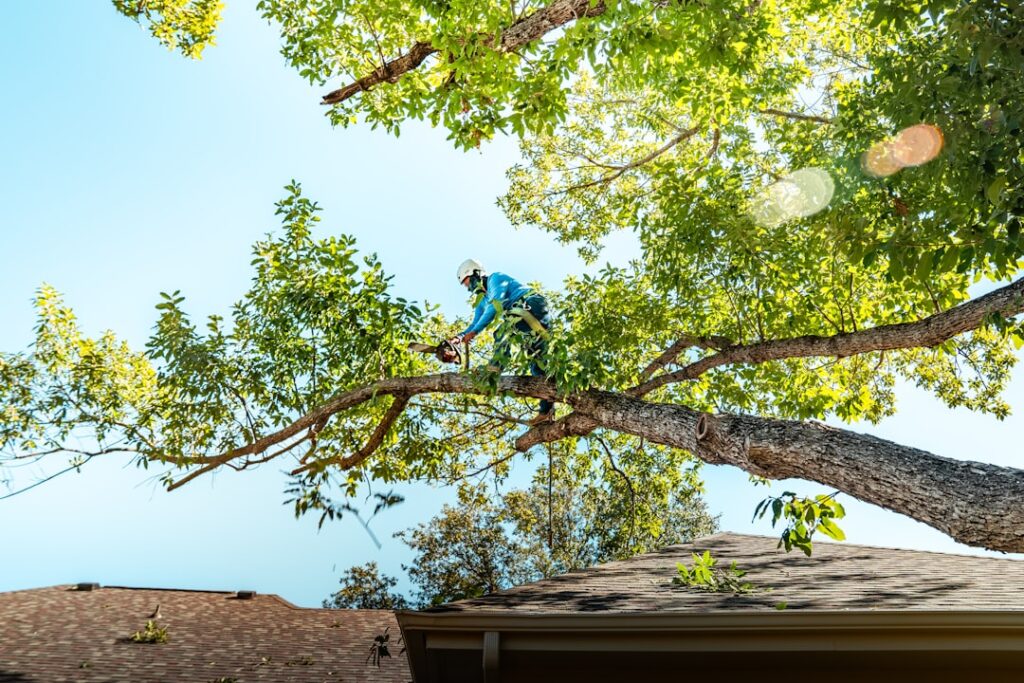
What Is a Tree Risk Assessment?
A tree risk assessment is a systematic process for evaluating the likelihood that a tree, or part of a tree, might fail and cause harm. The core purpose is to help area households, municipalities, and property managers make informed decisions about tree care and risk reduction—not to encourage unnecessary removals, but to prioritize safety and tree health.
Assessments generally involve visual inspections and, in some cases, the use of specialized tools. The approach is tailored to local conditions such as Windham’s seasonal storms, occasional high winds, ice buildup, and the region’s frequent mix of mature hardwoods and evergreens.
Why Might Residents in Windham Need a Tree Risk Assessment?
Homes and roads in Windham are often bordered by large trees, meaning limbs or trunks could threaten buildings, vehicles, or utility lines if they fail. Tree risk assessments are especially relevant in periods after windstorms, during spring thaw when trees may shift in soft ground, or after heavy snow and ice events. Common reasons locals request an assessment include:
- After visible storm damage—cracked limbs, leaning trunks, or hanging branches.
- When mature trees are near homes, garages, or driveways.
- When planning property changes such as new additions, play areas, or clearing for gardens.
- If there are signs of poor tree health: mushrooms at the base, dieback, or large dead branches.
What Does an Assessor Look For?
Trained assessors examine trees for structural defects, signs of disease, or other factors that increase the chance of failure. The assessment typically covers:
- Root system health—looking for areas of decay, lifting, or exposed roots.
- Trunk condition—checking for cracks, cavities, seams, or decay.
- Branch structure—identifying weak branch unions, deadwood, or poorly attached limbs.
- Canopy health—spotting leaf loss, insect infestations, or fungal growth.
- Proximity to potential targets—such as roofs, roads, play equipment, and power lines.
- Evidence of past management—such as old pruning wounds or unhealed cuts.
Local context matters: In Windham, freeze-thaw cycles and saturated soils mean assessors pay close attention to root stability and lean, especially on slopes or during wet springs.
How Is Tree Risk Evaluated?
Evaluating tree risk involves weighing three primary factors:
1. The likelihood of failure—How probable is it that the identified defect will cause part of the tree to break or fall?
2. The likelihood of impacting a target—Would falling wood hit a person, vehicle, house, street, or line?
3. The potential severity of consequences—If it falls, what type of harm could result (from minor fence damage to injury or utility outage)?
Based on this, risk is classified as low, moderate, high, or extreme. Most trees in the city present low or moderate risk, but even healthy-appearing trees warrant periodic reviews, especially in public or high-use settings.
What Happens If a Risk Is Identified?
If a significant risk is found, the assessor may recommend actions such as:
- Pruning specific branches to remove the hazard.
- Installing support systems (like cabling or bracing) when possible.
- Monitoring—setting a schedule for regular future checks if the risk is not urgent.
- Removal—only if risk cannot be otherwise reduced safely.

In Windham, removing a tree is generally a last resort, especially for mature trees that provide shade, wind breaks, and wildlife habitat. Whenever possible, targeted solutions are used instead of cutting down trees.
Common Misconceptions About Tree Risk
Misunderstandings can lead to either needless worry or dangerous neglect. Some frequent misconceptions:
- “All leaning trees are dangerous.” Many trees naturally lean without increased risk, especially multi-stemmed species.
- “Only dead trees can be hazardous.” Live trees with hidden decay or root problems often present a higher risk.
- “Removing every tree near a house is necessary.” Most trees pose little risk with proper care; many problems can be addressed with simple pruning.
- “Tree risk cannot be predicted.” While nothing can be guaranteed, careful inspection significantly reduces uncertainty.
How Often Should Trees Be Assessed?
Most Windham residents benefit from checking mature or high-value trees every few years, or after major storms. Properties with children’s play structures, active driveways, or new construction nearby may want to assess more frequently. Trees experiencing rapid changes—such as sudden lean, major dieback, or loss of anchoring roots—should be reviewed promptly.
Practical Tips for Local Households
Residents can support healthy, low-risk trees between professional assessments by:
- Raking away heavy leaf piles and mulch from the trunk base to prevent rot.
- Avoiding cutting roots or compacting soil near large trees during yard work.
- Watching for mushrooms, sawdust, or sudden leaf loss as early warning signs.
- Keeping an eye on changes after strong wind, ice, or wet weather.
City ordinances sometimes require permits for removing certain trees, particularly near waterways or in public rights-of-way, so always check local rules if considering significant tree work.
Understanding tree risk assessments enables local families to better care for their landscape while minimizing hazards—balancing the region’s love of mature trees with community safety.