

 See My Latest Article on HelloNation
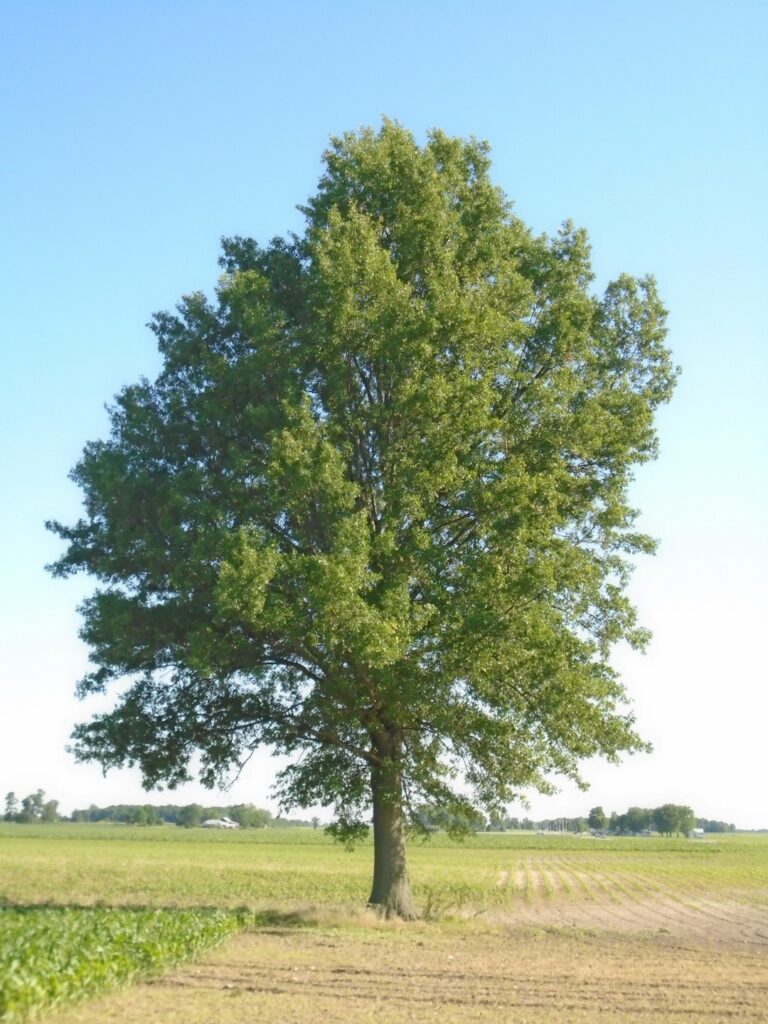
What Signs Should Residents Look for When Checking Trees?
The most reliable way to identify tree diseases is by observing visible symptoms on branches, leaves, bark, and roots. Each disease leaves behind unique clues, but early changes often appear as discoloration, wilting, or abnormal growth patterns.
Check for these common signs during routine yard care or seasonal cleanup:
- Patches of yellow, brown, or black on leaves
- Noticeable decline in leaf size or density on the canopy
- Sunken, discolored, or peeling bark
- Fungal growths or mats on trunks or roots
- Oozing sap, especially with a sour or foul odor
- Unusual branch dieback starting at the tips
A healthy tree will have even, vibrant foliage and smooth, intact bark. Any sudden or spreading changes should prompt closer inspection. In Windham, spring and early summer are the best times to check, as new growth is more sensitive to disease.
What Are the Most Common Tree Diseases in Windham?
In this region, cool and damp springs followed by humid summers create ideal conditions for some specific diseases. A few of the most frequently reported include:
Apple Scab:
Affects both ornamental and fruiting apple trees. Early symptoms include olive-green or brown spots on leaves, often with a velvety texture. As the disease progresses, leaves may curl and fall prematurely, and fruit may become scabby or cracked.
Anthracnose:
Often seen on maples, oaks, and ash trees, this fungal disease causes irregular, dark lesions along leaf veins and sometimes on young twigs. In wet springs, clusters of leaves may drop suddenly, but trees usually recover if outbreaks are mild.
Dutch Elm Disease:
A major threat to native elms. Early symptoms include yellowing, wilting, and browning starting at the top or outer branches. The wilt moves downward and girdling of the trunk can occur. Bark beetles and root grafts spread the disease.
Needle Cast (on spruce and pine):
This disease appears first with dull, brown, or purple spots on older needles, followed by heavy needle drop that leaves trees looking sparse from the inside out. Thin, discolored lower branches are an early warning.
Cytospora Canker (on spruce):
Look for sunken, resin-soaked patches on the trunks or main branches, often with blue-green or white fungal streaks. These cankers restrict water movement, causing thin crowns and branch dieback.
Can Tree Diseases Be Mistaken for Other Problems?
Yes, and this is a frequent source of confusion for area households. Some nutrient deficiencies, environmental stress, pest infestations, and old age can cause symptoms that mimic disease.
For example:
- Leaf scorch from drought looks similar to fungal leaf spots.
- Bark splits may result from winter temperature extremes, not just infection.
- Wilting can result from root damage or poor drainage as much as from pathogens.
If multiple trees of different species in a yard suddenly decline at the same time, environmental causes are likely. However, isolated or spreading symptoms among the same species often suggest a disease.
What Immediate Steps Can Residents Take if They Suspect Disease?
Catching problems early is key. Residents can:
- Prune off affected branches (disinfect pruners between cuts, and avoid composting diseased material)
- Rake up and remove fallen, infected leaves each autumn
- Check for standing water or improper mulching around trunks
- Water during prolonged summer droughts, keeping soil moist but not soggy

For trees presenting unstable or hazardous limbs, or if symptoms spread rapidly despite at-home care, safety calls for seeking further guidance. Local or state forestry extension offices can assist with non-commercial diagnosis and advice.
Are Certain Species in Windham More Vulnerable Than Others?
Yes. Tree species commonly used in local landscaping vary widely in disease resistance. In Windham, the following are especially susceptible:
- Flowering and fruiting apples (prone to apple scab and fire blight)
- American elms (very sensitive to Dutch elm disease)
- Spruce trees (frequent targets for needle cast and canker)
- Sugar and Norway maples (risk for anthracnose, tar spot)
Conversely, native oaks, birch, and beech in well-drained sites tend to experience fewer severe issues, though occasional fungal pathogens may appear during especially wet years.
How Does Weather in Windham Affect Tree Disease Outbreaks?
Weather has a significant impact on disease pressure year to year. Prolonged periods of spring rain and high humidity are primary drivers of fungal outbreaks, as spores spread easily under these conditions. Heat stress followed by rain can also create entry points for pathogens.
Dry summers, meanwhile, intensify stress-related diseases and make evergreens, in particular, more vulnerable to needle loss or cankers. Trees weakened by several seasons of drought or storm damage are more likely to succumb to infections that otherwise would not threaten healthy trees.
What Role Do Fall and Spring Clean-Up Play in Preventing Disease Spread?
Annual yard clean-up is one of the simplest and most effective tools residents have for disease management. Removing fallen branches, leaves, and fruit before spring growth begins helps interrupt fungal life cycles. When possible, bag and dispose of debris rather than composting if disease is suspected.
In spring, inspect trees for cankers or wounds and trim back any clearly dead or infected material. Avoid overmulching and keep mulch a few inches away from trunk bases to deter rot.
How Can Residents Track Down What’s Affecting Their Trees?
If symptoms don’t match common descriptions, bringing photos or a small sample (sealed in a bag) to a regional extension office can often yield an accurate diagnosis for free. Many residents also compare healthy and unhealthy sections of the same tree to isolate affected areas. Regular observation over weeks, not just days, often reveals if the problem is spreading.
Educational resources from Maine’s university extension and state forestry agencies offer detailed images and examples of local tree disease cases, which can help residents confirm their findings.