

 See My Latest Article on HelloNation
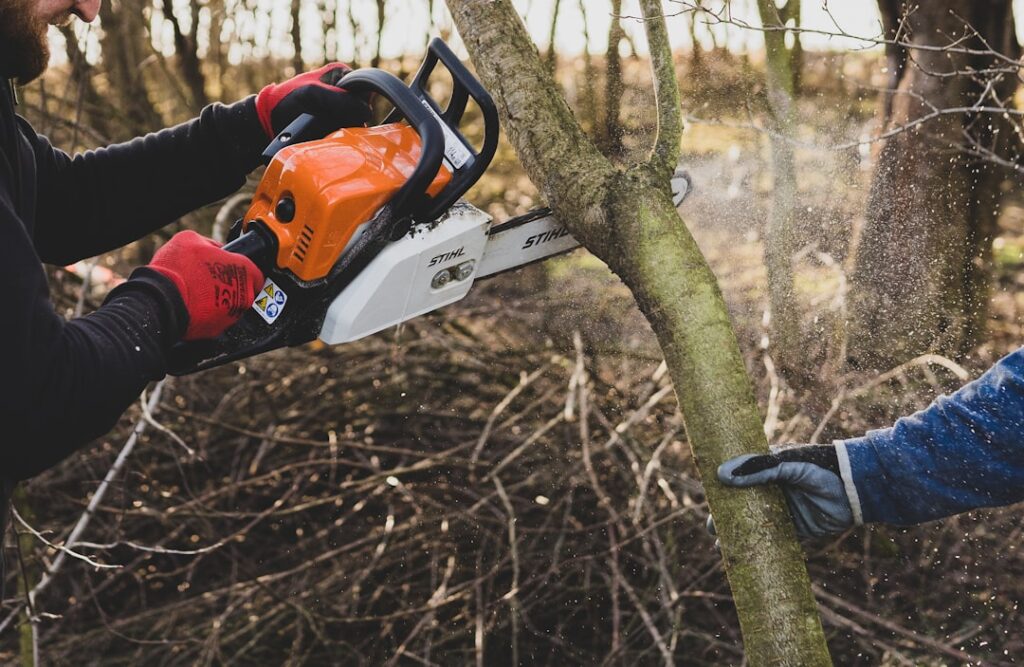
Is There an Ideal Time of Year for Tree Trimming in Windham, ME?
For most trees common to Windham, the best time to perform routine trimming is late winter through early spring, specifically between February and early April. Trees are dormant during these months, making them less susceptible to disease, pests, and environmental stress. This period also allows residents to spot branch structure clearly, as leaves have yet to emerge.
Trimming outside these months is still possible, but it can carry risks. For example, late summer and early fall pruning may encourage new growth that can't harden before the first frost. In contrast, heavy work in late spring or mid-summer sometimes stresses healthy trees, especially amid drought or extreme heat.
Why Does Timing Matter for Tree Health?
Tree health is closely linked to the timing of pruning because wounds made during dormancy heal faster and attract fewer pathogens. During the cold months:
- Insects and fungi that carry disease are inactive, reducing infection risk.
- Sap flow is minimal, decreasing the chance of bleeding and tree shock.
- Pruning after the coldest winter temps, but before the sap starts to flow, limits unnecessary stress.
Some exceptions exist: Spring-flowering ornamental trees and shrubs are best trimmed shortly after blooming to preserve next year’s buds.
What About Safety and Utility Concerns?
Safety should always be a priority. Damaged, dead, or dangerously overhanging branches may require removal at any time of year, especially if they threaten people, property, or utility lines. These situations justify urgent pruning regardless of season, particularly after winter storms that can break or weaken limbs.
Residents should also stay aware of local ordinances governing tree work near utility infrastructure. For large or hazardous limbs, or when trees are close to power lines, specialized equipment and training are typically needed to avoid injuries and service disruptions.
How Does Windham’s Climate Affect Trimming Schedules?
Local weather patterns play an important role. Windham winters tend to be cold and snowy, which often limits safe tree work to late winter or early spring, when snowpack recedes but buds haven’t yet opened. Unpredictable spring thaws can delay access, so flexibility in timing is useful.
Mature hardwoods like oaks and maples, common in local neighborhoods, benefit most from dormant-season trimming to prevent “bleeding” sap (especially for maples) and minimize pest attraction. By mid to late April, rising temperatures spur rapid growth, and pruning wounds won’t close as efficiently.
Are There Trees That Should Be Trimmed at Different Times?
Not all trees follow the same seasonal guidance. Flowering trees and certain fruit species need a tailored approach:
- Spring-flowering trees (like crabapples and lilacs): Trim after flowering to avoid cutting off developing buds.
- Summer-blooming trees: Trim in late winter or early spring before new growth begins.
- Evergreens (pines, spruces, firs): Minor pruning can be done almost any time, but late winter is safest for shaping.
Local gardens often blend these ornamental species. Checking the bloom time before starting is always helpful to avoid surprise loss of flowers.
What Mistakes Do Homeowners Commonly Make?
A few misunderstandings are widespread in residential areas:

- Heavy pruning in late spring or summer: Trees can become stressed and more susceptible to drought injury.
- Cutting during wet, rainy periods: Moisture increases disease spread on freshly cut surfaces.
- Removing too much at once: Taking off more than 25% of the living crown in a single year can weaken trees.
- Ignoring proper techniques: Random cuts or stubs create wounds that heal slowly and decay.
Taking a cautious, well-timed approach prevents these common pitfalls.
How Should Residents Prioritize Tree Trimming Needs?
Walk the yard in late winter or early spring and look for:
- Dead, damaged, or rubbing limbs
- Branches growing toward roofs, driveways, or public walkways
- Signs of disease—such as odd growths, cankers, or unseasonably brittle wood
Shape and structure corrections are best reserved for these months, while small corrections for safety can be addressed anytime.
Local Factors and Wildlife Considerations
Windham’s neighborhoods and wooded edges support diverse wildlife. Early spring trimming reduces disruption to nesting birds, as most species have not yet begun building. Avoid extensive work during peak nesting (mid-April through July) when possible.
Additionally, the shorter work window common in northern climates means residents sometimes queue up outdoor tasks for the same brief season. Planning ahead helps to balance tree health, wildlife, and landscape goals.