

 See My Latest Article on HelloNation
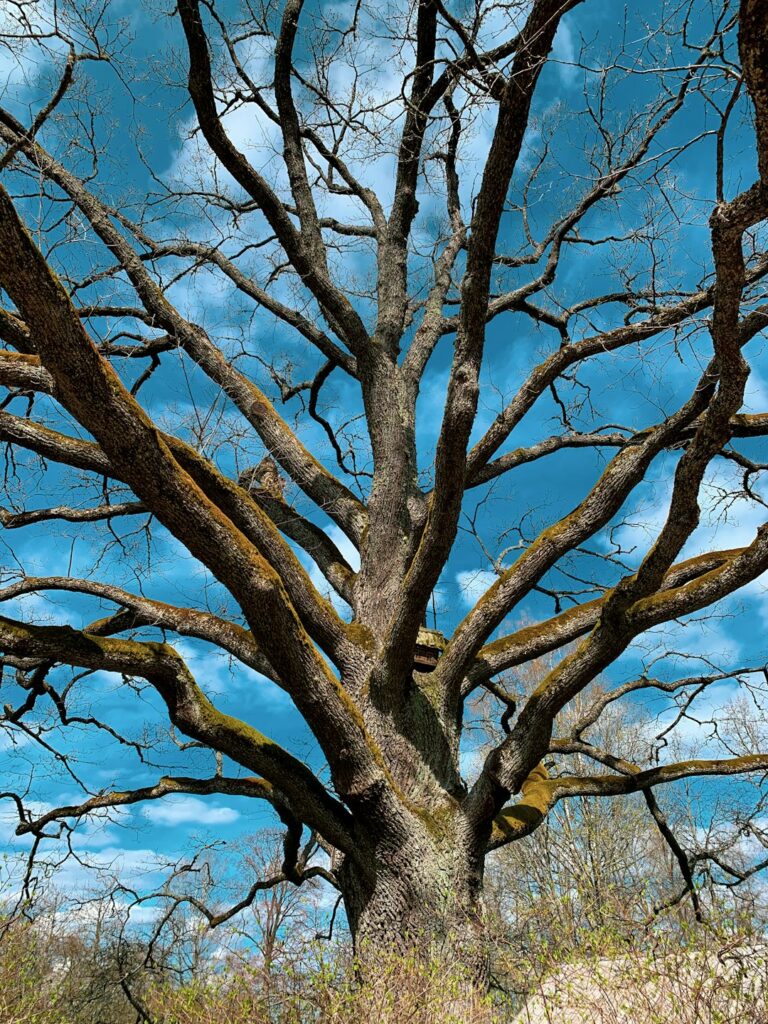
How Can You Tell If a Tree Is Doing Well?
A healthy tree typically has vibrant leaves, strong growth, and few visible signs of disease or distress. However, Maine’s climate—marked by cold winters, wet springs, and humid summers—can stress even established trees. This blend of natural forces sometimes makes it tricky to distinguish between normal seasonal changes and problems that need attention.
What Does a Healthy Tree Look Like?
Generally, a thriving tree in the area will display these features:
- Leaves or needles are an even, rich green during the growing season without unusual spots or curling.
- New twigs or shoots grow each year on most branches.
- Bark feels firm and is mostly free from large cracks, holes, or missing sections.
- Overall shape is balanced, without large, bare sections.
Minor quirks—such as a few dead twigs or temporary leaf drop after a tough spring frost—are fairly common and not always a sign of ill health.
What Are Early Signs a Tree Might Be Struggling?
The earliest indicators of trouble can be subtle. Catching these early signals gives residents a chance to manage problems before they become severe.
- Leaves turning yellow or brown and dropping outside of autumn, especially in patches or at the tips.
- Slowed growth compared to prior years, or no new shoots on multiple branches.
- Bark starting to peel in large, irregular sections or showing dark stains.
- Unusual clusters of mushrooms or large fungal growths at the tree’s base.
- Dead branches, especially in the upper crown, that don’t sprout leaves in spring.
Some of these signs can also appear after ice storms or strong wind events, which are not unusual locally. It helps to observe the tree over several weeks rather than making judgments based on a single day’s appearance.
Is My Tree Dead or Just Dormant?
In late autumn and winter, it can be hard to judge whether a tree has died or is simply dormant. Local trees, particularly maples, oaks, and pines, enter a period where they shed leaves or slow growth to conserve energy.
Some ways to tell the difference:
- Gently scratch a small section of twigs or branches. If the layer beneath the bark is green and moist, the branch is still alive.
- Bend small twigs. Living branches are flexible and bend before breaking. Dead twigs snap easily.
- Check later in spring. If buds don’t swell or leaves fail to appear by early June, the tree may be in dire condition.
False alarms are common in May, especially after chilly springs slow leaf-out.
Could Pests or Disease Be the Problem?
Maine’s trees can be affected by native and invasive pests, as well as various fungal and bacterial diseases. Common troublemakers include emerald ash borer, spotted lanternfly, and fungal infections like anthracnose.

Warning signs:
- Holes in the bark or odd sawdust piles at the trunk base may mean insects are active.
- Oozing sap, discolored streaks running down the trunk, or odd cankers—sunken or swollen patches of bark.
- For evergreens, watch for browning needles, blackened tips, or an overall faded appearance.
If the entire canopy is losing foliage evenly, look to root health, soil moisture, or even winter road salt as potential causes as well.
Does the Tree’s Location Matter?
Yes. Trees growing close to pavement, near homes, or beneath utility wires commonly face extra pressures in dense neighborhoods. Repeated soil compaction, reflected sunlight, altered drainage patterns, or even lawn equipment can stress roots and introduce wounds.
In low, wet parts of the city, root rot or swampy soil conditions may kill sensitive species, while drought-prone hills may lead to dry, brittle branches. Trees near salted roads may take up chloride, which can mimic certain disease symptoms.
Are There Common Misconceptions About Tree Health?
Residents often mistake temporary symptoms for serious decline, or miss subtle hazards:
- Many think lichens (the pale blue-green crusts found on bark) mean decay, but these growths are harmless.
- Leaf drop after sudden cold snaps in early fall is often reversible if the tree is otherwise healthy.
- Not all dead branches mean the entire tree is dying; small amounts of dieback are normal in aging trees.
Ignoring leaning, hollow, or partially uprooted trees after wind or ice events, however, is risky—especially if structures or sidewalks are nearby. In those cases, evaluation for potential hazards should not be delayed.
What Should You Do If You Suspect a Problem?
If a tree appears unhealthy but does not pose an immediate risk (such as leaning over a home or sidewalk), monitor over a full growing season. Prune out small dead branches using clean tools, water young or recently planted trees during droughts, and look for improvement. When large limbs are dying, the entire tree fails to leaf out, or mushrooms form at the trunk base, it’s wise to exercise caution as these may indicate structural instability or disease spread.
Local ordinances sometimes require notification or approval before removing significant trees, so check with city resources if you believe a tree must be taken down, especially near roads or public areas.