
 See My Latest Article on HelloNation
Small backyards can benefit from a shade tree, but the right choice depends on mature size, soil moisture, sunlight, and the location of nearby structures. In Windham, ME, trees also need to handle cold winters, spring moisture, summer heat, snow loading, and occasional storm exposure.
A tree that looks appropriately sized at planting may eventually spread over a roof, block utility access, lift pavement, or shade most of the yard. The best selection is usually a naturally small tree or a large shrub trained into a tree form—not a full-sized forest species kept small through repeated pruning.
Which shade trees work best in a small backyard?
The most useful candidates are trees with moderate mature height, a manageable canopy, strong branch structure, and tolerance for Maine growing conditions. Several species deserve consideration.
American hornbeam
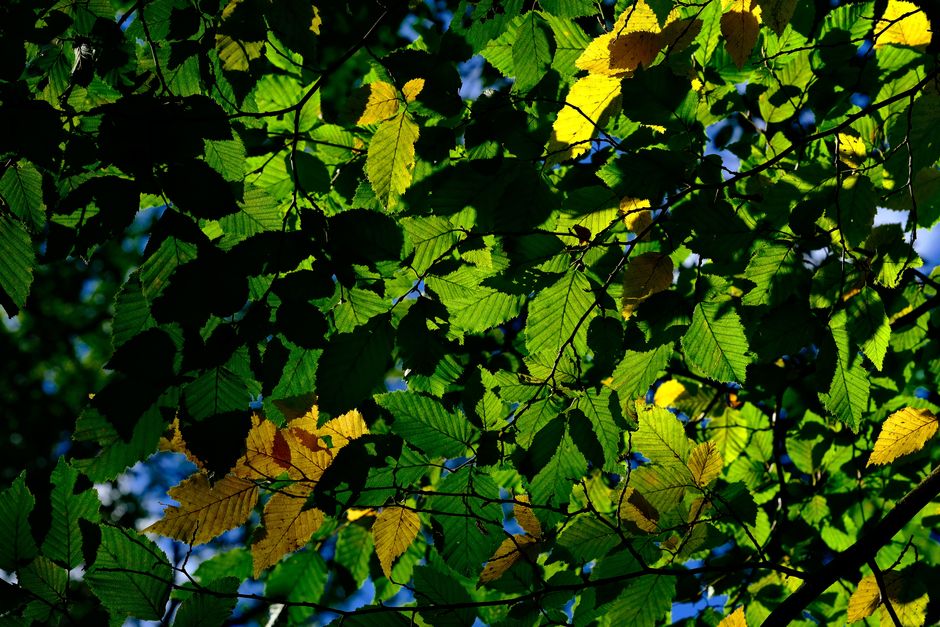
American hornbeam is a native understory tree that commonly develops a rounded, relatively compact form. It often reaches roughly 20 to 30 feet tall, though mature size varies with site conditions.
Its advantages include:
- Smooth, gray bark with a muscular, attractive trunk
- Good tolerance of partial shade when young
- Yellow to orange fall color
- A canopy that usually feels lighter and less overwhelming than that of a large maple
Hornbeam prefers moist, well-drained soil and may struggle in extremely dry, compacted ground. It is a strong choice near a patio or lawn where moderate shade is desired without creating a deep, permanent shadow.
Serviceberry
Serviceberry is often selected for its spring flowers, edible fruit, fall color, and manageable size. Depending on the species and form, it may grow as a multi-stemmed small tree or large shrub, often reaching approximately 15 to 25 feet.
It can provide useful filtered shade while supporting birds and pollinators. The open structure also allows light to reach gardens beneath the canopy.
Serviceberry performs best in reasonably fertile, well-drained soil with regular moisture. It is not ideal for a site that remains saturated for long periods or receives reflected heat from extensive pavement.
Hawthorn
Several hawthorn species can work in compact yards, including cockspur hawthorn. These trees generally offer a rounded canopy, spring flowers, and persistent fruit that may be used by wildlife.
Hawthorn can tolerate more exposure than some delicate ornamental trees and may be suitable where a backyard receives wind or has less-than-perfect soil. Its drawbacks include thorns on some forms, fallen fruit, and occasional disease issues. For a family play area or a narrow passage, thornless selections and careful placement are preferable.
University of Maine Cooperative Extension identifies cockspur hawthorn as a potential shade tree for difficult conditions, including sites with shallow soil and moderate salinity. ([extension.umaine.edu](https://extension.umaine.edu/gardening/2024/02/02/what-type-of-shade-trees-would-be-suitable-to-plant-beside-the-ocean/?utm_source=openai))
Japanese tree lilac
Japanese tree lilac is a small flowering tree rather than a broad-canopied shade tree, but it can provide localized shade near a seating area, walkway, or garden. Its size is often more suitable for a small lot than that of a traditional shade-tree species.
The tree produces fragrant white flowers in early summer and generally has a clean, upright form. It needs full sun for the best flowering and should not be planted where nearby buildings or larger trees will heavily shade it.
Its shade is limited, so it should be considered when the goal is to cool one particular part of the yard rather than cover a large lawn.
Crabapple
Some crabapple cultivars remain compact enough for small backyards and can provide light shade, spring flowers, fruit, and fall interest. The mature size varies considerably, so the plant tag should be checked for both height and canopy spread.
Disease resistance is a major consideration. A tree with poor resistance may require more cleanup and monitoring than a homeowner expects. Crabapple is best placed where fallen fruit will not create a slippery surface or interfere with parking and walkways. University of Maine guidance notes that dwarf crabapples can be effective even in small urban yards. ([extension.umaine.edu](https://extension.umaine.edu/publications/2058e/?utm_source=openai))
What should be checked before planting?
The planting site matters as much as the species. Measure the available space from several directions rather than judging it by eye.
Check:
- Distance to the house, garage, shed, fence, driveway, and septic components
- Overhead utility lines and future clearance
- The tree’s mature height and spread
- Existing tree roots and areas where excavation could cause damage
- Whether water collects after rain or snowmelt
- How many hours of direct sunlight reach the site during summer
A small tree may still need 15 to 25 feet of horizontal space. Planting too close to a foundation does not usually cause direct structural damage by itself, but roots, branches, moisture patterns, and restricted maintenance access can create long-term problems.
In a narrow backyard, placing the tree toward the south or west side of a patio can create useful afternoon shade. However, a tree planted too close to the house may also reduce winter sunlight, keep siding damp, and drop leaves into gutters.
Are red maples and birches suitable for small yards?
Sometimes, but they are often chosen without enough attention to mature size.
Red maple is a valuable Maine shade tree, yet many forms eventually become too large for a confined backyard. Some cultivars are narrower than others, but “fast-growing” does not mean naturally compact. Silver maple is generally a poor choice for a small yard because of its size, rapid growth, and weaker branch structure.
Paper birch can provide attractive bark and light shade, but it may be vulnerable to drought stress, heat, and insect problems when planted in exposed residential settings. Multiple-stemmed birches also need adequate room for their trunks and canopy.
University of Maine Extension emphasizes selecting woody plants according to site conditions and mature characteristics rather than choosing solely for appearance at the nursery. ([extension.umaine.edu](https://extension.umaine.edu/publications/2366e/?utm_source=openai))
How should a new shade tree be planted?
Plant the tree with the root flare visible or level with the surrounding soil. The trunk should not be buried under soil or mulch. A planting hole should be wider than the root ball but no deeper than the root system requires.
After planting:
- Water deeply during dry periods, especially through the first two growing seasons.
- Apply a thin layer of mulch over the root zone, keeping it several inches away from the trunk.
- Do not stake unless the site is unusually windy or the root ball is unstable.
- Remove damaged, crossing, or poorly attached branches while the tree is young.
- Avoid heavy pruning intended to keep a naturally large tree artificially small.
Young trees benefit more from consistent watering and proper structural pruning than from frequent shaping. University of Maine pruning guidance recommends developing a balanced canopy early rather than waiting until major limbs become difficult to manage. ([extension.umaine.edu](https://extension.umaine.edu/publications/2169e/?utm_source=openai))
What happens to the lawn beneath a shade tree?
Grass often becomes thin beneath a mature tree because the canopy reduces light and the roots compete for water and nutrients. This is not necessarily a sign that the tree is unhealthy.
Fine-leaf fescues are generally more shade-tolerant than many common turf grasses. Other options include mulch beds, woodland groundcovers, or shade-tolerant perennial plantings. University of Maine Extension also cautions that shallow-rooted trees can intensify competition with lawn grasses. ([extension.umaine.edu](https://extension.umaine.edu/publications/2367e/?utm_source=openai))
A practical small-yard design may use one compact tree with a defined mulched root zone rather than trying to maintain turf directly under every branch.
When is a larger tree the wrong choice?
A larger tree is usually a poor fit when the planting area is narrow, overhead lines are present, the canopy would overlap a roof, or the household cannot accommodate regular leaf and fruit cleanup.
If broad summer shade is needed but the backyard cannot support a mature tree, consider placing a compact tree farther from the house and allowing the shade to reach the seating area over time. A modest tree in the right location is safer and easier to maintain than a large species repeatedly cut back to fit a restricted space.