

 See My Latest Article on HelloNation
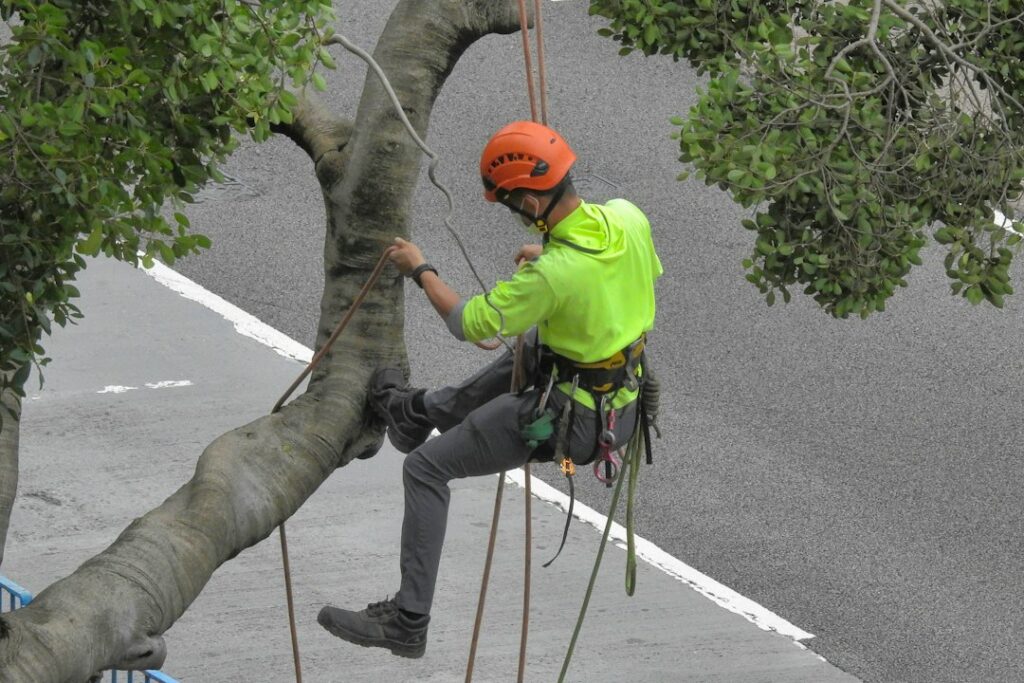
What does “tree preservation order” mean in Windham, ME?
A tree preservation order is generally understood as a legal restriction that protects certain trees from removal, cutting, or damaging without prior approval. In Windham, the rules residents are most likely to encounter do not usually operate as a single, stand-alone order covering any tree on private property. Instead, tree protection comes from several sources, especially shoreland zoning, development approvals, protected areas, public-way rules, and state law.
That distinction matters. A large tree in a typical residential yard is not automatically protected simply because it is old, attractive, or located near a property line. However, the same tree may be subject to restrictions if it is near regulated water, within an approved development plan, located on public land, or covered by a specific municipal condition.
Maine law allows municipalities to preserve trees and shrubs along public ways or on uplands adjoining rivers and other bodies of water. Land designated for that purpose may not be cleared or damaged without written municipal authorization. ([mainelegislature.org](https://www.mainelegislature.org/legis/statutes/30-a/title30-Asec3252.html?utm_source=openai))
Are tree preservation orders common in Maine?
The phrase “tree preservation order” is more strongly associated with planning systems outside Maine, particularly jurisdictions where local governments formally designate individual trees or groups of trees. Maine residents are more often dealing with land-use standards that protect vegetation by location, zoning district, development plan, or environmental function.
In practical terms, a tree may be protected because it:
- Lies within a shoreland zone
- Helps maintain a required buffer near water or wetlands
- Was required to remain under a subdivision or site plan approval
- Is located within a public right-of-way or on municipal property
- Is part of a preserved open-space area or conservation restriction
- Is subject to a recorded easement or other property restriction
This means that checking only for a document titled “tree preservation order” may not reveal every applicable restriction.
What rules apply near water?
Windham’s shoreland zoning standards place limits on vegetation removal near ponds, streams, rivers, wetlands, and other regulated water resources. The exact restriction depends on the zoning district and the distance from the water.
In some areas, clearing is limited to preserve a continuous buffer. Other provisions restrict the percentage of tree volume that may be removed during a ten-year period or limit the size of cleared openings. In several shoreland situations, no more than 40% of the volume of trees at least four inches in diameter may be removed during a ten-year period, subject to the specific standards of the applicable district. ([ecode360.com](https://ecode360.com/37098787?utm_source=openai))
A common misunderstanding is that a homeowner may remove any tree that is hazardous as long as the tree is on private property. Shoreland rules may allow removal of hazard trees after consultation with the Code Enforcement Officer, but conditions can still apply. Replacement planting, natural revegetation, stump retention, or documentation may be required depending on the tree’s location and the amount of canopy removed.
The Code Enforcement Officer may also require an evaluation from a licensed forester or arborist before a hazard tree is removed within the shoreland zone. ([ecode360.com](https://ecode360.com/37098787?utm_source=openai))
Does a dead or storm-damaged tree need approval?
Not always, but the circumstances matter. Wind, ice, heavy snow, and saturated ground can create urgent hazards, particularly during Maine’s late fall, winter, and early spring weather.
Within regulated shoreland areas, Windham’s rules distinguish among hazard trees, storm-damaged trees, and standing dead trees. Some removals may proceed without a formal permit after consultation with the Code Enforcement Officer, provided the applicable conditions are met. Those conditions can include:
- Keeping the stump in place
- Avoiding the creation of a new lawn or permanently cleared area
- Replanting native species when natural regeneration does not occur
- Replacing lost canopy when a removal creates a large opening
- Staying within limits on total tree removal
A tree that has fallen across a driveway may require immediate attention for safety, but emergency circumstances do not automatically eliminate every land-use requirement. Photographs, the date of the storm, the tree’s location, and the reason for removal can help document what occurred.
Are trees protected during construction or development?
Development approvals often include tree-preservation conditions even when no separate order exists. A site plan, subdivision approval, building permit, or related review may identify trees, wooded areas, buffers, or open-space features that must remain undisturbed.

Windham’s land-use materials include standards intended to preserve existing healthy trees and shrubs in certain development settings. They may also address landscaping, screening, street trees, and the protection of vegetation during construction. ([windhammaine.us](https://windhammaine.us/DocumentCenter/View/9529/Section-120-814-Checklist-2023?utm_source=openai))
Protection can apply before construction begins. Clearing a tree first and asking about the approval later may create a violation if the approved plan identified that area for preservation. Construction activity can also damage protected trees without cutting them down. Soil compaction, root cutting, trenching, grade changes, and storage of materials beneath the canopy may all affect a tree’s survival.
Can a property owner remove a tree near a property line?
Ownership and land-use permission are separate questions. A property owner generally needs to know where the boundary lies before removing a tree that stands near it. If the trunk crosses the boundary, the tree may be jointly owned or subject to a boundary-tree dispute. Cutting branches or roots across a property line can also create legal conflict.
Even when the tree is entirely on one parcel, local restrictions may still apply because of shoreland zoning, a development approval, a conservation easement, or a public right-of-way.
Marking a boundary with an informal measurement or an old fence is not always reliable. A recorded survey, deed description, or other property record may be needed when the location is uncertain.
What can happen if a protected tree is removed?
Violations may lead to enforcement action, required restoration, fines, or other remedies. Maine law allows courts to order correction or mitigation for land-use violations. When unlawful tree cutting is involved, mitigation may include replacing trees and restoring canopy or basal area, unless restoration would create a safety problem, substantial environmental damage, or another legally recognized hardship. ([mainelegislature.org](https://mainelegislature.org/statutes/30-A/title30-Asec4452.html?utm_source=openai))
The practical consequences depend on the rule that was violated. Removing one tree from a required buffer is different from clearing a large area in a resource-protection district or ignoring a condition in an approved site plan.
How can residents check whether a tree is protected?
Before cutting a questionable tree, identify the conditions that could trigger regulation:
- Is the property within a shoreland zone?
- Is the tree near a pond, stream, wetland, or drainage feature?
- Was the property created through subdivision or site-plan review?
- Does the deed reference an easement, conservation restriction, or preserved area?
- Is the tree within a public right-of-way?
- Would removal create a new opening, lawn, driveway, or building area?
- Is the tree dead, storm-damaged, hazardous, or simply inconvenient?
The relevant documents may be found in property records, approved development plans, zoning materials, or municipal land-use files. Maine’s Forest Service also advises property owners to check with the local town office because ordinances and requirements can change over time. ([www11.maine.gov](https://www11.maine.gov/dacf/mfs/policy_management/woodswise/laws_ordinances.html?utm_source=openai))
If a tree presents an immediate danger to people, structures, roads, or utility access, safety should be addressed promptly while preserving photographs and other records. For non-emergency removals, confirming the applicable rule before work begins is usually far less complicated than trying to reconstruct compliance afterward.