

 See My Latest Article on HelloNation
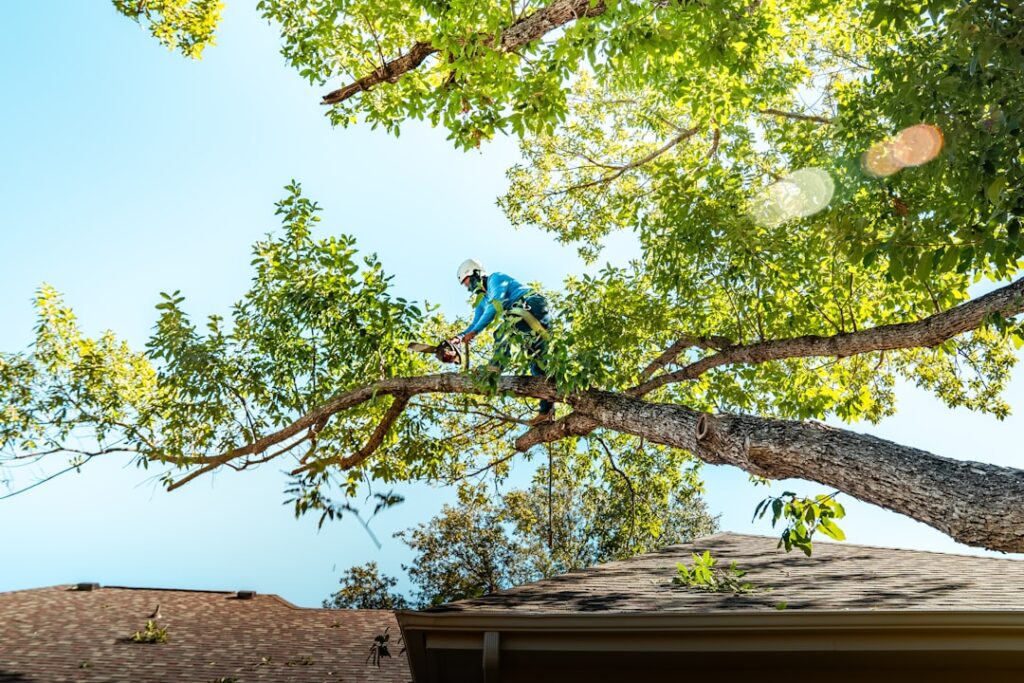
Why Do Homeowners in Windham, ME Prune Their Trees?
Routine pruning serves purposes beyond appearance. Residents in Windham, ME often want to know if pruning is necessary and what benefits it really brings. Pruning—trimming branches for health, safety, or structure—helps maintain trees in a way that’s tailored to the local climate, common species, and neighborhood layouts found throughout the city.
In Windham’s climate, trees face heavy snow loads, strong winds, ice, and periods of summer drought. Regularly trimmed trees generally respond better to these stresses and avoid common urban hazards. Whether a homeowner’s lot is wooded or has a few ornamental shade trees, the approach to pruning often varies, but the benefits are far-reaching.
How Does Pruning Make Trees Safer?
Pruning is one of the most effective ways to prevent tree-related property damage and injury. By removing weakened, dead, or overextended branches, residents reduce the chances of falling limbs during storms—especially important when winter nor’easters and summer thunderstorms move through the area.
- Branches over rooftops, driveways, or power lines can be especially hazardous.
- Heavily loaded upper limbs are more likely to break with Windham’s winter ice but are safer if managed before storm season.
Young trees pruned for strong structure are less likely to split or cause issues years later.
What Are the Health Benefits for Trees?
Pruning allows trees to direct resources where they are most effective. Removing crowded branches improves air flow, which helps reduce local issues with mildew, canker, and certain insect problems. In Windham’s humid summers, airflow around canopies can mean fewer disease issues.
Regular selective cuts:
- Prevent the spread of decay from dead or diseased wood
- Reduce the insect habitat in dense tangles of interior branches
- Encourage the growth of strong, resilient wood
Misconceptions about “over-pruning” do exist; cutting too much at once or improperly can harm trees, but well-timed, targeted pruning is largely beneficial.
How Can Pruning Affect Curb Appeal and Property Value?
Tree appearance matters for many households. Thoughtful pruning shapes the canopy and guides new growth, providing a tidy look that suits the neighborhood character across Windham.
- Well-maintained trees can make a yard feel open and welcoming
- Mature trees pruned for form can enhance privacy while still letting sunlight through
- Potential buyers often view healthy, attractive trees as a property asset
Neglected trees risk appearing unkempt or even threatening to neighbors or passersby.
When is the Best Time to Prune in Windham’s Climate?
For most species growing in Windham, the best time is late winter to early spring—after the coldest weather but before leaves expand. Pruning during this period helps:
- Limit disease transmission (many pathogens are less active in cooler months)
- Allow wounds to close as new growth begins in spring

However, some situations—like removing storm-damaged or clearly hazardous branches—should be addressed immediately, regardless of season. Homeowners can also do light trimming of small twigs and water sprouts during the summer to manage appearance and crowding.
Are There Species or Regulations Residents Should Know About?
Windham’s common trees include maples, oaks, birches, and ornamentals like crabapples. Each responds differently to pruning. For example, maples “bleed” sap heavily if pruned late in spring, but this is not typically harmful. Oaks should never be pruned in summer due to the risk of oak wilt.
Local guidelines may impact what, how, and when you can prune—especially near roads, public spaces, or in protected woodlots. Some neighborhoods or associations also have their own expectations for tree care.
If a tree is close to utility lines or the road, residents may need to coordinate with public safety or utility departments to avoid creating hazards.
What Can Go Wrong Without Regular Pruning?
Neglecting pruning leads to more than just a messy look. Common issues Windham residents see include:
- Broken limbs that create safety hazards during storms
- Branches scraping roofs, siding, or vehicles
- Increased disease and insect damage in dense, uncleared growth
- Obstructed driveways, walkways, or sightlines
Old wounds from broken branches rarely heal properly on their own, sometimes causing long-term health problems for the tree.
What Can Residents Do Themselves Versus Needing Help?
Homeowners routinely prune small trees and lower branches using clean tools, following proper methods. Tasks such as removing large limbs, working at heights, or addressing trees close to power lines can be dangerous and may require outside expertise.
It’s always safest to avoid pruning during wet or icy weather, and using protective gear prevents most minor injuries.
How Does Pruning Impact the Broader Community?
Collectively, well-maintained trees contribute to Windham’s sense of place, supporting shade, wildlife, and neighborhood character. Pruned street trees can help reduce storm runoff and power outages, while sculpted yard trees create more inviting public and private spaces.
Many residents find that by tending their own properties, they support healthier, safer, and more appealing surroundings for everyone.