

 See My Latest Article on HelloNation
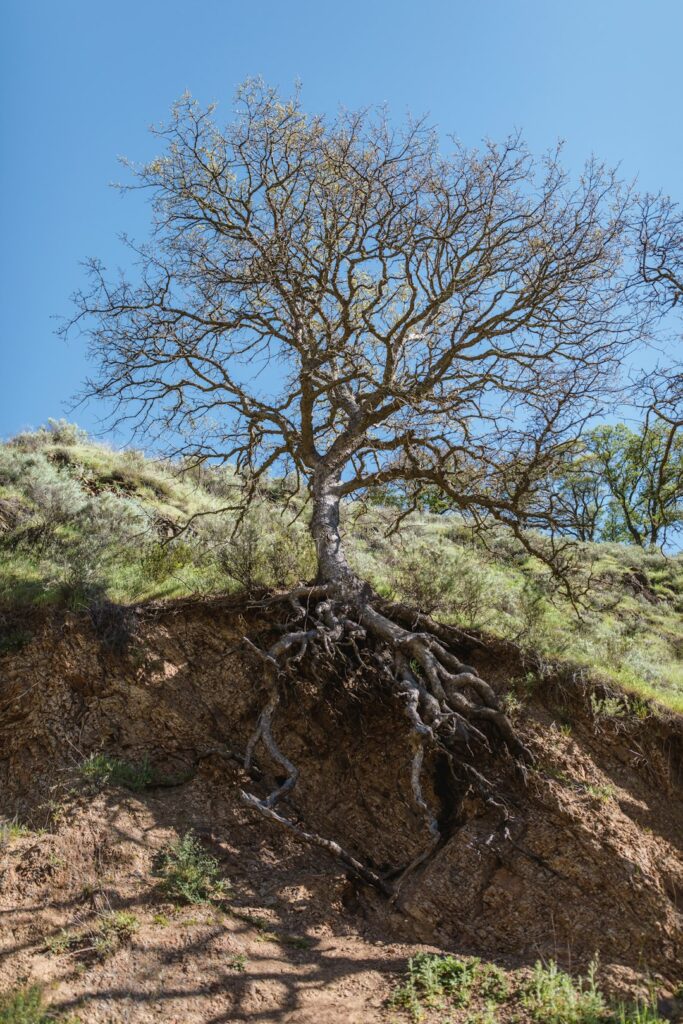
Why Do Tree Roots Cause Foundation Problems?
Tree roots can damage foundations when they grow close to or under a home, seeking out moisture. In places like Windham, ME, the combination of native tree species, varied soil types, and seasonal moisture fluctuations can make local homes susceptible—especially older properties or those with shallow foundations. The roots themselves typically don’t break concrete directly, but their search for water can shift soils or exploit existing cracks, eventually leading to costly structural issues.
Which Trees in Windham Are Most Likely to Affect Foundations?
While almost any tree can develop roots substantial enough to cause problems, certain varieties common in Windham have aggressive root systems. In particular, maples, willows, poplars, and oaks frequently grow large, sprawling roots. Fast-growing trees often cause more concern, as their roots rapidly seek out water and space. Shallow-rooted species may also spread farther horizontally than you’d expect. Trees planted closer than 20 feet from a home are more likely to create issues, especially on lots with moist or loose soils.
How Far Should Trees Be Planted from a Foundation?
Roots generally extend 1.5 to 2 times the width of a tree’s canopy, but that varies. For most medium-sized landscape trees, a safe starting distance is at least 15-20 feet from the foundation. For large species, adding extra space is wise—sometimes 30 feet or more. In Windham, where lot sizes and setbacks differ between neighborhoods, residents should assess available space before planting. If a tree is already established too close to the house, it doesn’t automatically mean damage is inevitable; regular monitoring is the next best precaution.
What Preventive Measures Can Local Residents Take?
Several straightforward steps can reduce the chance of root-related damage:
- Maintain consistent soil moisture near the home to discourage roots from “searching” toward foundations.
- Inspect the area for developing surface roots each year, especially after spring thaws.
- Create a root barrier when planting new trees—a physical barrier will redirect roots downward or away.
- Repair cracks or leaks in the foundation right away, as roots are attracted to moisture escaping through gaps.
- Prune roots only if necessary; improper removal can harm the tree and sometimes accelerate problem growth. For large roots near the base, consider consulting an arborist to avoid health or stability issues.
How Does Windham’s Climate and Soil Affect Root Behavior?
The city’s temperate climate and mixed soil—ranging from sand to clay—can amplify risk factors:
- During dry spells, tree roots stretch toward moist soil near foundations, especially if lawns are left dry and only the house perimeter is watered.
- In wet years or poorly draining areas, roots may proliferate nearer the surface, traveling farther and putting more pressure on foundations and walkways.
- Freeze-thaw cycles can cause both soil movement and root expansion, occasionally widening small cracks so roots can take hold.
Homeowners whose lots are on slopes, have clay-heavy soil, or experience standing water after storms should be especially attentive to changing root patterns.
What Are the Signs That Roots Are Already Affecting a Foundation?
Visible cracks in basement walls or slabs, doors that stick, or uneven floors can suggest root-related soil movement. Outdoors, look for:
- Sidewalks or driveways lifting near large trees
- Depression in lawns adjacent to trunks
- Roots visibly growing against or under the concrete

Keep in mind that not all cracks or structural issues are caused by tree roots; settling and water intrusion are also common. If new damage appears near established trees, consider monitoring growth each season.
Are There Non-Invasive Barrier Methods Available?
Yes, installing root barriers is effective and generally non-invasive when done at planting or with young trees. For existing trees, vertical barriers made of heavy plastic, metal, or geotextile fabric are placed in a trench between the tree and foundation—usually 2-3 feet deep. In Windham’s climate, these should be installed before roots reach the foundation for best effect. For mature trees, disruption can stress the tree, so placement should be carefully considered.
Alternatives include:
- Mulching wide, root-friendly beds to keep trees healthy while reducing lawn irrigation near foundations
- Directing rainwater runoff away from both the house and trees’ root zones to balance moisture
What Are Common Myths About Tree Roots and Foundations?
A few misconceptions frequently circulate:
- “Cutting tree roots will solve the problem.” In reality, this can make trees unstable or trigger aggressive regrowth.
- “Small trees can’t cause foundation problems.” Even modest species can develop significant roots over decades.
- “Roots break through concrete.” Most roots follow paths of least resistance, such as pre-existing cracks or gaps, rather than directly piercing unbroken concrete.
When Is Expert Assessment Necessary?
Most root-related issues can be monitored by a diligent homeowner. However, if you notice significant foundation movement, large surface roots close to the home, or unusual water seepage indoors, an assessment may be warranted. Local ordinances and tree preservation guidelines in Windham may also impact what solutions are appropriate—especially for large or protected trees.
By staying informed and observing changes over time, area homeowners can typically prevent root damage before it becomes severe, preserving both their trees and their foundations.