

 See My Latest Article on HelloNation
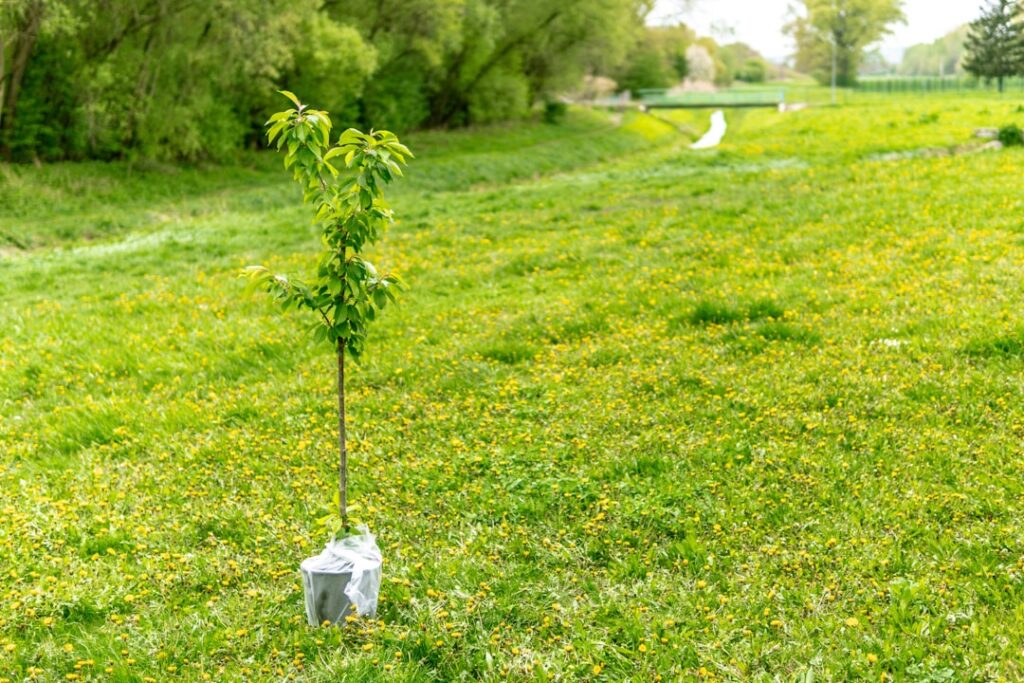
What Should Windham, ME Residents Consider Before Choosing a Tree?
The best choice for your yard starts with understanding your own property’s sunlight, soil, and space. Local residents often underestimate the importance of matching these site conditions to their tree selection, which can lead to ongoing problems or disappointing growth. Begin by observing your yard throughout the day—note how many hours of direct sunlight different spots receive and consider how close you are to driveways, power lines, or structures.
Tree roots need room to spread, and crowns need space overhead. A soil test can reveal pH levels or potential drainage issues. In many parts of the city, soils are a moderately well-drained mix. However, pockets of clay or ledge outcrops are common and can limit root growth or cause water to pool after rain.
What Tree Species Grow Well in Windham’s Climate?
Native and cold-hardy species are most likely to thrive in the local climate, which brings snowy winters, spring melt, and humid summers. Trees that tolerate winter salt, ice loads, and the occasional late frost perform best in area yards.
Typical options that do well locally include:
- Sugar maple, red oak, and white pine for adaptable shade and long-term growth
- Serviceberry and crabapple for smaller spaces and seasonal interest
- Eastern hemlock and arborvitae for privacy screening and year-round greenery
Residents sometimes plant species that are better suited to milder regions, only to see poor survival or recurring dieback. Choose varieties that handle winter chill, resist common local pests, and require minimal extra watering during hot spells.
How Big Will This Tree Get—And How Fast?
Many homeowners make the mistake of underestimating a tree’s mature height and width. Consider not just the size in ten years, but at full maturity—potentially 30, 50, or even 100 years from planting. A species’ growth rate also affects long-term satisfaction.
Fast-growing trees like silver maple or poplar can quickly provide shade, but often develop brittle wood and shallow roots, leading to storm damage. Slower growers, such as oaks, may take longer to fill in but ultimately form stronger, longer-lived shade canopies. Match the tree’s eventual dimensions to available yard space to prevent future conflicts with houses, fences, or above-ground wires.
How Do You Plan for Safety and Local Regulations?
Before digging, review any local ordinances related to tree placement. In some neighborhoods, setbacks from roads, sidewalks, or utilities are required. Avoid planting large shade trees beneath power lines—select shorter species or ornamental types in these locations.
Safety also means considering sightlines for drivers near driveways and intersections, as well as how falling branches might affect traffic or neighbors’ yards in winter storms. Always check with Dig Safe before planting to locate underground services.
Which Tree Qualities Offer the Best Value Year-Round?
Area residents increasingly look for trees that combine multiple benefits: curb appeal, wildlife support, shade, and minimal mess. Evaluate a species for four-season interest—does it flower in spring, offer colorful fall foliage, or retain needles for winter screening?

Consider:
- Fruit or nut messy from sidewalks and patios—avoid varieties prone to heavy drop if that’s a concern
- Attracting birds or pollinators with berries, blossoms, or unique structure
- Adaptation to windy exposures or salty roadside spray, which are common in certain neighborhoods after winter plowing
Many overlook the chance to bring in edible or native fruiting trees suited to the area, such as serviceberry or American plum, which offer both beauty and food.
What Common Mistakes Should Be Avoided?
Overplanting a tight space with too many trees, crowding different species together, or ignoring sun requirements are frequent issues. Planting too close to foundations or paved areas can cause root damage or buckled surfaces years later. Some trees sold locally are popular for quick growth but are susceptible to pests, disease, or storm breakage in this part of the country—Norway maple and Bradford pear are two examples often best avoided.
Skipping site prep—such as amending compacted soil or checking drainage—leads to early decline in even the toughest species. Give each tree a generous planting hole, loosen soil, and mulch in a wide, shallow ring to protect roots.
How Can Local Residents Support a Healthy, Lasting Landscape?
Success depends not just on planting the right tree, but on caring for it through the first two or three years after installation. Young trees need consistent moisture their first summers, especially during dry spells. Mulch helps retain moisture but never pile it against the trunk (“volcano” mulching can cause rot).
Consider mixing species in your landscape to prevent pest outbreaks or loss from a single disease. Native choices generally need less intervention and support area wildlife. Observing how mature trees grow in local parks or older neighborhoods can offer realistic examples for new plantings.