

 See My Latest Article on HelloNation
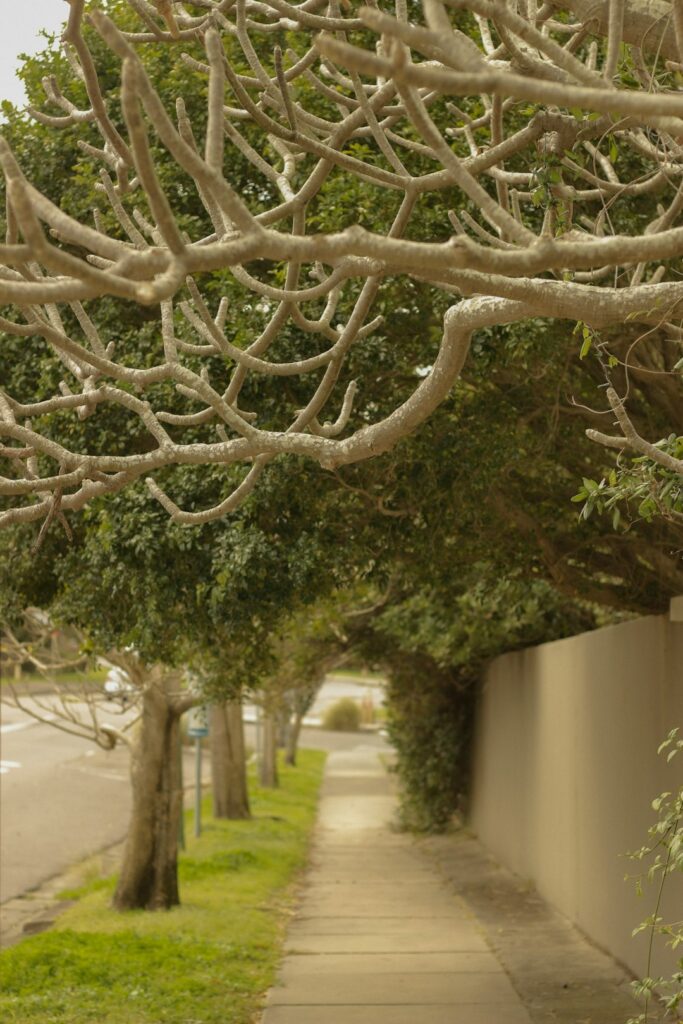
Why Are My Sidewalks Being Pushed Up By Tree Roots?
Sidewalks in Windham, ME are often disturbed by tree roots that grow underneath and push up concrete slabs, sometimes creating hazardous or unsightly bumps. This generally happens because tree roots seek water and space, and find both in the loose soil under sidewalks. While it's a familiar sight for many area residents, several local conditions make the problem especially relevant.
What Makes Trees Target Sidewalks?
Tree roots naturally grow outward as the tree matures, extending well beyond the tree’s canopy. Roots serve two main purposes: anchoring the tree and seeking moisture and nutrients. In the compact and often rocky soils typical in Windham, roots tend to grow near the surface, where oxygen and water are available. The space beneath sidewalks usually contains looser backfill soil, making it one of the easier paths for roots to expand.
In Windham, local precipitation patterns mean that trees are motivated to follow even slight traces of moisture, which commonly collect along the margins of driveways and sidewalks.
Does Sidewalk Lifting Depend on the Tree Species?
Some tree species in the region are far more likely to lift sidewalks than others. Fast-growing trees with aggressive, shallow root systems—like silver maple, poplars, and some species of ash—are repeat offenders. These species tend to dominate older neighborhoods and wooded areas that have since been developed.
Other common landscape trees, such as oaks and pines, usually have deeper and less disruptive root systems. However, even these can disturb hardscape surfaces if planted too close to walkways. In neighborhoods with mature shade trees, especially those planted several decades ago, sidewalk lifting is more likely.
How Do Local Conditions in Windham Contribute?
Several characteristics of Windham make tree root and sidewalk conflicts particularly noticeable:
- Seasonal moisture: Freeze-thaw cycles over the winter can shift soils and further expose roots, accelerating lifting.
- Soil type: Many properties have compacted or clay-heavy soil, encouraging surface root growth.
- Street layout: Older developments often have large, mature trees planted close to relatively narrow sidewalks.
- Suburban density: Yards in Windham are often broad but may have trees close to sidewalks for shade, increasing risk.
- Typical sidewalk construction: Sidewalks poured on minimal base material or with only thin slabs crack or lift more easily as roots expand.
Are Tree Roots Only After Water?
Roots are primarily drawn by water and nutrients. However, they also follow the path of least resistance. The fill soil under sidewalks is rarely as compacted as the surrounding native soil, so roots are more likely to invade these areas. Over time, the pressure roots exert as they thicken and grow can lift and sometimes crack concrete.
A common misconception is that roots "break" concrete purposefully. In fact, they are simply exploiting spaces and will avoid dense obstacles unless there is no other option. In neighborhoods with newer sidewalks and deep, well-drained base layers, lifting is much less common.
Is It Possible To Prevent Sidewalk Lifting?
Complete prevention can be tough—especially with existing mature trees—but some strategies reduce risk for both current and future plantings:
- Tree selection: Choose species less prone to surface roots if planting new trees near walkways.
- Planting distance: Trees should ideally be planted at least 6-10 feet from sidewalks, farther for large canopy trees.
- Root barriers: Install physical barriers between newly planted trees and sidewalks to redirect roots deeper or away.
- Sidewalk construction: Thicker slabs and better-compacted bases resist lifting.
- Surface adjustments: In some cases, using flexible paving materials can accommodate minor movement without cracking.

Retrofitting existing sidewalks is challenging, as removing large roots near mature trees risks damaging their stability and health. In these cases, any solution should be weighed carefully, balancing tree health, safety, and accessibility.
What Should I Do If My Sidewalk Has Been Lifted?
If a sidewalk trip hazard or uneven surface develops due to root activity, document its extent and inspect the health and size of nearby trees. Local ordinances may require property owners to address sidewalk hazards, especially in public rights-of-way. Removing exposed roots often leads to disease or destabilization of the tree, and can be risky if too much of the root system is cut.
If a mature tree is causing repeated problems, it may be possible to reroute the sidewalk around the existing root zone, or replace small concrete segments with more root-tolerant surfaces, such as pavers or reinforced gravel.
For minor lifting, grinding down the raised sidewalk edge can temporarily lessen tripping hazards while minimizing harm to the tree. These actions can help keep pathways safe while preserving mature trees that provide shade and wildlife habitat.
Are There Misconceptions About Tree Roots and Sidewalks?
Yes, a few common misunderstandings circulate among local homeowners:
- Roots do not damage concrete for water; they occupy spaces under or beside it because those spaces are easier to grow into.
- Removing tree roots aggressively can cause serious decline or loss of mature shade trees.
- Planting a new tree with “tap” roots does not guarantee it won’t eventually affect nearby hardscape—roots grow where conditions suit them best.
Understanding the nature of local trees and soils can help property owners make informed landscaping choices, and reduce future sidewalk lifting while preserving valuable shade and neighborhood character.